Key Takeaways
- Mobile homes don’t automatically lose value — depreciation depends on factors like age, condition, location, and how the home is titled.
- Homes on owned land hold value better than those on leased lots, especially when classified as real property with a permanent foundation.
- Maintenance and upgrades matter — updated roofs, HVAC systems, interiors, and energy efficiency can significantly improve resale value.
- Local housing demand plays a major role — in strong markets with affordable housing shortages, manufactured homes can retain or even gain value over time.
Do Mobile Homes Lose Value Over Time?
One of the most common questions buyers and sellers ask is simple, but it’s got a lot of layers: do mobile homes lose value over time?
The short answer is, it depends. Sometimes they do, but not always. The long answer depends on factors like age, location, land ownership, how well the home is maintained, and the state of the market. This article explores do mobile homes lose value over time and explains when they may hold or gain value. Unlike traditional site-built homes, mobile and manufactured homes follow a different value curve, and understanding that curve can save or make you thousands of dollars. Many buyers wonder, do mobile homes lose value over time, especially when comparing them to traditional houses.
This guide breaks down the myths, the realities, and the situations where mobile homes hold or even gain value.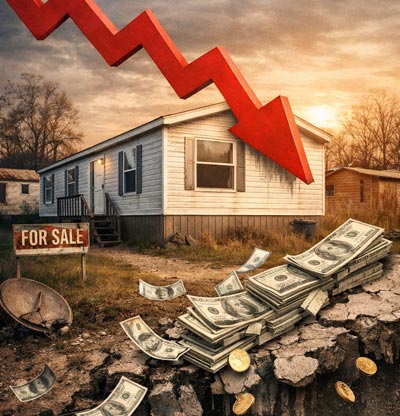
The Common Belief: Mobile Homes Always Depreciate
Many people compare mobile homes to vehicles, assuming they automatically lose value every year. This idea likely comes from older mobile homes, especially those built before 1976, which were often:
- Built to looser standards
- Placed on rented land
- Poorly maintained
- Difficult to finance or insure
In those cases, depreciation was common and often steep. But modern manufactured homes are a different story. The question do mobile homes lose value over time depends on factors like location, maintenance, and whether the home is titled as real property.
Mobile Home vs. Manufactured Home: Why the Distinction Matters
Before we dive deeper, let’s clarify some terms.
- Mobile homes generally refer to homes built before June 15, 1976.
- Manufactured homes are built after 1976 under the federal HUD Code.
Manufactured homes are built to stricter safety, energy, and construction standards. Because of this, they often behave more like traditional housing assets, especially when they’re placed on owned land. When people ask whether “mobile homes” lose value, they’re often mixing these two categories without realizing it.
When Mobile Homes Do Lose Value
Yes, there are situations where depreciation is likely, here are the most common ones. Homeowners often ask, do mobile homes lose value over time, before deciding whether to buy or sell.
1. Homes on Leased Land (Mobile Home Parks)
Homes in parks where the land is rented often depreciate faster because:
- Buyers must qualify with park management
- Rising lot rent can reduce demand
- Financing options are limited
- Buyers view the home as a “home-only” purchase
That doesn’t mean park homes are bad investments, but appreciation is less common unless demand is very strong.
2. Older Homes Without Updates
It’s not just age that’s the problem, it’s the condition. Homes that haven’t had upgrades like:
- Roof replacement
- HVAC updates
- Plumbing or electrical improvements
- Interior renovations
are more likely to lose value, just like any neglected property.
3. Poor Location or Oversupply
Value is always tied to demand. Homes in areas with:
- Declining population
- Oversupply of park homes
- Weak job markets
may depreciate, regardless of how well they’re built.
When Mobile & Manufactured Homes Hold Value
Now for the part many people overlook: there are plenty of cases where these homes retain value well.
1. Homes on Owned Land
This is the biggest factor. Manufactured homes placed on land the owner owns outright often:
- Qualify for traditional mortgages
- Appraise more like site-built homes
- Benefit from land appreciation
In many markets, the land appreciates even if the structure stays flat, resulting in overall value growth.
2. Permanent Foundations Matter
Homes installed on permanent foundations, with proper tie-downs and certifications, are seen as more “real property” than personal property. This improves:
- Financing options
- Buyer confidence
- Appraisal outcomes
3. Modern Construction & Energy Efficiency
Newer manufactured homes feature:
- Better insulation
- Energy-efficient windows
- Modern layouts
- Durable materials
These homes compete directly with entry-level site-built houses, especially in affordable housing markets.
Maintenance Makes or Breaks Value
One of the most important, and controllable, factors is maintenance. A well-maintained manufactured home can outperform a neglected site-built home in resale value. Key upgrades that protect value include:
- Roof replacement
- Updated siding or skirting
- Modern kitchens and bathrooms
- Flooring upgrades
- Proper drainage and moisture control
Buyers care less about the label and more about how the home looks, feels, and functions.
Market Conditions Play a Huge Role
Value isn’t determined in a vacuum. During periods of:
- Housing shortages
- Rising site-built home prices
- High interest rates
manufactured homes often see increased demand, which can stabilize or raise prices, even for older units. In recent years, many markets have seen manufactured homes sell faster and for more than expected due to affordability pressures.
Financing & Title Status Impact Value
How a home is titled affects its long-term value.
- Personal property, or chattel, loans typically mean higher interest rates and lower resale value.
- Real property classification opens the door to conventional financing and better appreciation potential.
Homes converted to real property tend to hold value better over time.
The Truth: It’s Not Automatic Depreciation
So, do mobile homes lose value over time? Sometimes, but it’s not guaranteed.
A better way to think about it is this: Mobile and manufactured homes behave more like housing assets than vehicles, but only when the right conditions are in place.
Homes are more likely to lose value if:
- They’re very old
- Located on rented land
- Poorly maintained
- In low-demand areas
Homes are more likely to hold or gain value if:
- They’re newer, built after 1976
- On owned land
- Properly installed
- Well maintained
- In strong housing markets
Final Thoughts
The idea that all mobile homes lose value is outdated. Today’s manufactured homes play a significant role in affordable housing, and when purchased wisely, they can be a smart, stable housing investment.
Whether you’re buying, selling, or just planning ahead, understanding what drives value will help you make better decisions and avoid costly assumptions. If you’re evaluating a specific home or market, factors like location, title status, and condition matter far more than the word “mobile” in the name.