Key Takeaways
- Yes, you can sell a mobile home without land when it is located in a mobile home park or on leased property.
- Most park sales require buyer approval, including agreement to park rules and monthly lot rent.
- Clear title or registration is required to complete a mobile home sale without delays.
- When asking can you sell a mobile home without land, factors like age, condition, and financing options matter.
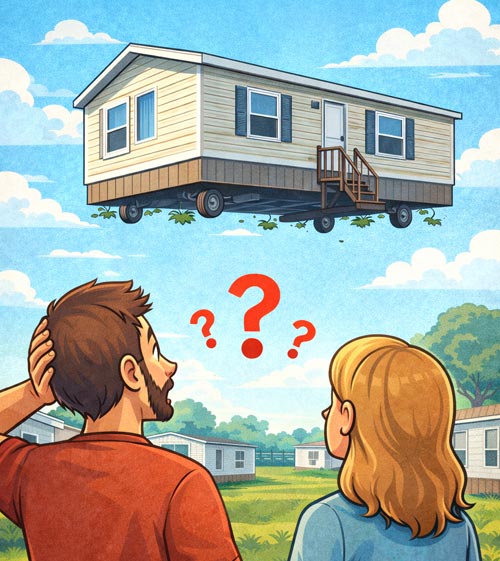
Can you sell a mobile home without land?
Yes, you can sell a mobile home without land if it is located in a mobile home park or on leased property, though park approval and local rules often apply.
One of the most common questions mobile home owners ask when preparing to sell is: Can you sell a mobile home without land? The answer is yes—and in many cases, selling a mobile home without land is very common.
Mobile homes are often located in manufactured home communities or on leased property. In these situations, the home itself is sold, while the land remains owned by the park or property owner. The buyer purchases the structure, not the lot underneath it.
 Selling a Mobile Home in a Park
 Selling a Mobile Home in a Park
Selling a mobile home without land is most common when the home is located in a mobile home park. In these cases, the buyer must usually be approved by the park before the sale can be completed. Many homeowners ask, can you sell a mobile home without land, and the answer depends on the home’s location and title status. Park approval helps ensure that new residents meet community standards and can afford the monthly lot rent.
Approval requirements vary by park but often include:
- An application and screening process
- Credit and background checks
- Proof of income
- Agreement to park rules and regulations
Some parks may also have age restrictions, occupancy limits, or rules regarding pets, rentals, or home modifications. If a buyer is not approved, the sale typically cannot proceed, even if the seller and buyer agree on price and terms. If you’re wondering, can you sell a mobile home without land, the process is often simpler when the home is located in a park. Sellers researching “can you sell a mobile home without land” should check park lease agreements and local regulations.
Selling a Mobile Home on Leased or Private Property
If a mobile home is not located in a park, the selling process can be more complex. Homes placed on leased private land or family property may be subject to local zoning laws, state regulations, and landowner agreements.
In some areas, the home can be sold in place. In others, the buyer may be required to move the home after purchase. Relocation adds costs such as permits, transportation, setup, and utility connections, which can influence the final sale price.
Before listing a mobile home in these situations, it’s important to confirm whether the home can legally remain on the property or must be moved.
Title and Ownership Considerations
Another key factor when selling a mobile home without land is ownership documentation. In many states, mobile homes are titled similarly to vehicles. In others, they may be converted to real property when placed on owned land.
When selling without land, the home typically retains its personal property status, meaning the title or registration must be clear and transferable. Missing titles, liens, or outdated records can delay or prevent a sale, so addressing these issues early is essential.
What Buyers Want to Know
Buyers considering a mobile home without land often ask questions such as:
- What is the monthly lot rent?
- Are utilities included or separately metered?
- Are there park restrictions on resale or rentals?
- Can the home be moved in the future?
Providing clear answers helps build trust and speeds up the selling process. People frequently search can you sell a mobile home without land when they own a home in a mobile home park.
Let’s wrap it up
Yes, you can sell a mobile home without land, and thousands of owners do so every year. However, success depends on understanding park policies, local regulations, title requirements, and buyer approval processes. Knowing the answer to can you sell a mobile home without land can save time and prevent unexpected delays during the sale.
By preparing in advance and knowing what rules apply to your situation, you can avoid delays and make the sale smoother for both you and the buyer.
You might like – 100 Frequently Asked Questions about Mobile Homes