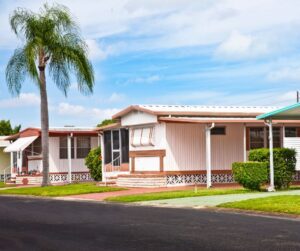
Financing a manufactured or mobile home in Florida works differently than buying a traditional house.
Key Takeaways
-
Manufactured and mobile home financing in Florida differs from traditional home loans.
-
Buyers may use chattel loans, manufactured home mortgages, or government-backed options depending on land ownership and home age.
-
Credit score, down payment, insurance, and community rules all impact loan approval.
-
Homes in land-lease communities are typically financed differently than homes on owned land.
-
Following a step-by-step process helps Florida buyers avoid delays and unexpected costs.
Table of Contents
This guide explains how to finance a manufactured or mobile home in Florida, including loan options, credit requirements, and step-by-step buying tips.
Buying a manufactured or mobile home in Florida can be an affordable and rewarding path to homeownership—but financing one is often very different from financing a traditional site-built house. From credit requirements and loan types to community rules and insurance considerations, Florida buyers face a unique set of steps and decisions.
This guide walks you through the entire financing process step-by-step, so you can avoid surprises, compare your options with confidence, and move toward ownership with clarity.
Whether you’re a first-time buyer, a retiree, or a snowbird looking for a seasonal home, understanding how mobile home financing works in Florida is the key to a smooth purchase.
Step 1: Understand the Difference Between Mobile and Manufactured Homes
Before you even think about financing, it’s important to understand how lenders define the home you’re buying.
A mobile home typically refers to a home built before June 15, 1976, before federal construction standards were established. These homes often come with more financing limitations.
A manufactured home is built after June 15, 1976 and complies with the HUD Code, which sets national standards for safety, construction, and durability.
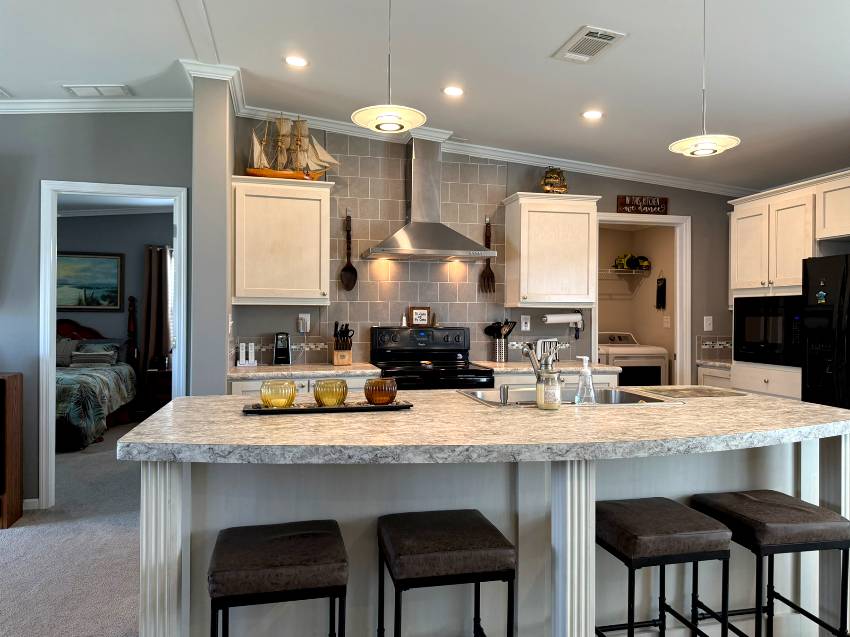 Why this matters:
-
Manufactured homes generally qualify for more loan options
-
Older mobile homes may require chattel loans or cash
-
Some lenders won’t finance pre-1976 homes at all
Knowing how your home is classified helps you focus on lenders and loan programs that are actually available to you.
Step 2: Decide Where the Home Will Be Located
In Florida, location matters just as much as the home itself when it comes to financing.
Homes in Land-Lease Communities
Many Florida mobile homes are located in communities where you own the home but rent the land. These homes are often financed as personal property rather than real estate.
Impacts on financing:
-
Higher interest rates than traditional mortgages
-
Shorter loan terms
-
Limited lender options
-
Community approval may be required
Homes on Privately Owned Land
If the home is permanently affixed to land you own, you may qualify for:
-
Manufactured home mortgages
-
FHA, VA, or USDA loans (in some cases)
-
Longer loan terms and lower rates
Florida lenders look closely at whether the home is permanently installed and titled as real property.
Step 3: Check Your Budget and Credit Profile
Before applying for financing, take time to evaluate your financial readiness.
Credit Score Expectations
Typical ranges:
-
Chattel loans: Often start around 575–620
-
Manufactured home mortgages: Usually 620–680+
-
Better credit generally means lower interest rates
Down Payments
In Florida, down payments often range from:
-
5%–10% for strong borrowers
-
10%–20% for lower credit or older homes
Monthly Costs to Factor In
Don’t just budget for the loan payment. Consider:
-
Lot rent (if applicable)
-
Homeowners insurance
-
Windstorm and flood insurance
-
Property taxes (for land-owned homes)
-
Maintenance and upkeep
Getting pre-qualified early helps you shop within a realistic price range and avoids wasted time.
Step 4: Explore Mobile Home Financing Options in Florida
Florida buyers have several financing paths, each with its own pros and cons.
Chattel Loans
These are personal property loans commonly used for homes in land-lease communities.
Pros:
-
Faster approvals
-
Fewer property requirements
-
Works for older homes
Cons:
-
Higher interest rates
-
Shorter loan terms
-
Less equity over time
Manufactured Home Mortgages
Available when the home is affixed to owned land and titled as real property.
Pros:
-
Lower interest rates
-
Longer terms (20–30 years)
-
Builds equity like a traditional home
Cons:
-
Stricter requirements
-
Longer approval process
Government-Backed Loans
Some buyers may qualify for:
-
FHA loans for manufactured homes
-
USDA loans in qualifying rural areas
These programs can offer lower down payments but come with strict eligibility rules.
Owner Financing and Cash
Some Florida sellers offer owner financing, and many buyers choose cash for simplicity.
Pros:
-
Flexible terms
-
Fewer lender restrictions
Cons:
-
Less consumer protection
-
Often higher interest rates
Step 5: Find a Lender That Works With Florida Mobile Homes
 One of the biggest mistakes buyers make is assuming all banks finance mobile homes. Many don’t.
Instead, look for:
-
Lenders specializing in manufactured housing
-
Credit unions familiar with Florida communities
-
Lenders recommended by mobile home communities
Questions to ask lenders:
-
Do you finance homes in land-lease communities?
-
What is the oldest home you will finance?
-
What insurance is required in Florida?
-
How long does approval typically take?
Choosing the right lender early can save weeks—or months—of frustration.
Step 6: Get Pre-Approved for Financing
Pre-approval shows sellers and communities that you’re serious and financially qualified.
Common Documents Required
-
Proof of income (pay stubs, Social Security, retirement income)
-
Tax returns or bank statements
-
Government-issued ID
-
Credit authorization
Why Pre-Approval Matters
-
Strengthens your offer
-
Speeds up closing
-
Helps avoid homes that won’t qualify for your loan
Delays often happen when buyers apply before confirming the home meets lender requirements.
Step 7: Choose the Right Home for Your Loan Type
Not every home qualifies for every loan.
Lenders will evaluate:
-
Age and condition of the home
-
HUD certification and serial numbers
-
Foundation and tie-down compliance
-
Community approval status
-
Title vs deed classification
Florida buyers should also consider inspections, especially for:
-
Roof condition
-
Electrical and plumbing
-
Hurricane tie-downs
Choosing a finance-friendly home can make the difference between approval and denial.
Step 8: Apply for the Loan and Complete Due Diligence
Once you’ve selected a home, the formal loan process begins.
What Happens Next
-
Loan application submission
-
Appraisal or value assessment
-
Home inspection (often required)
-
Insurance binding
Florida insurance requirements may include:
-
Windstorm coverage
-
Flood insurance (in certain zones)
-
Liability coverage for community homes
Carefully review loan terms, including interest rate, loan length, and prepayment penalties.
Step 9: Close on Your Mobile or Manufactured Home
Closing on a mobile home in Florida is usually simpler than a traditional real estate closing—but details still matter.
Closing Costs May Include
-
Loan origination fees
-
Title or lien recording
-
Community transfer fees
-
Insurance premiums
Depending on the loan, the home may be:
-
Titled through the Florida DMV
-
Recorded as real property with the county
Always confirm that ownership transfer is properly documented.
Step 10: Plan for Life After Purchase

Once you own the home, long-term planning helps protect your investment.
After Closing
-
Set up automatic payments
-
Keep insurance current
-
Budget for maintenance and community fees
Long-Term Considerations
-
Lot rent increases
-
Refinancing opportunities
-
Resale value and market demand
Well-maintained homes in desirable Florida communities often hold value better than many buyers expect.
Common Financing Mistakes to Avoid in Florida
-
Assuming all mobile homes qualify for mortgages
-
Ignoring lot rent when calculating affordability
-
Skipping lender comparisons
-
Failing to check community approval rules
-
Underestimating insurance costs
Avoiding these mistakes can save time, money, and stress.
How MH Giant Can Help
MH Giant connects Florida buyers with:
-
Sellers familiar with financing requirements
-
Educational resources to guide smarter decisions
Whether you’re buying your first mobile home or relocating to a Florida community, MH Giant helps you navigate the process with confidence.
Final Thoughts
Financing a manufactured or mobile home in Florida may seem complicated—but when broken down step-by-step, it becomes manageable and achievable.
With the right preparation, lender, and home choice, buyers across Florida are successfully using mobile homes as an affordable path to comfortable living.
Take your time, ask the right questions, and use trusted resources like MH Giant to guide your journey.