Key Takeaways
- Modern manufactured homes are built to strict federal safety standards, The HUD Code
- Wind-zone construction tailors homes to regional weather risks
- Proper anchoring is critical for storm performance
- Snow, rain, and wind loads are engineered into newer designs
- Most storm damage issues involve older or improperly installed homes
Manufactured homes have long been surrounded by myths, especially when it comes to storms, high winds, and severe weather. Many of those fears come from outdated images of older mobile homes, not from the reality of modern manufactured housing.
So, how safe are manufactured homes in storms and bad weather today? The answer depends on when the home was built, how it was constructed, where it’s located, and how it’s installed. Let’s break it all down.
Modern Manufactured Homes Are Built to Federal Safety Standards
Every manufactured home built after June 15, 1976 must meet the federal HUD Code, a nationwide building standard that governs how these homes are designed and constructed.
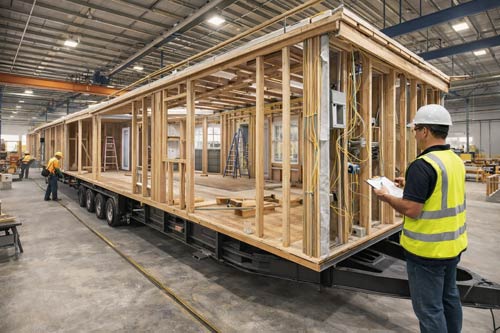 The HUD Code covers critical safety factors, including:
- Structural strength and durability
- Wind resistance
- Roof load requirements (snow and rain)
- Fire safety
- Energy efficiency
- Transportation stress (homes are built to survive being moved)
Unlike site-built homes, which are constructed outdoors and subject to weather delays and inconsistencies, manufactured homes are built indoors in climate-controlled factories, leading to more consistent quality control.
Wind Zones: Homes Built for Their Environment
One of the biggest safety advantages of manufactured homes is that they’re designed for specific wind zones based on geography.
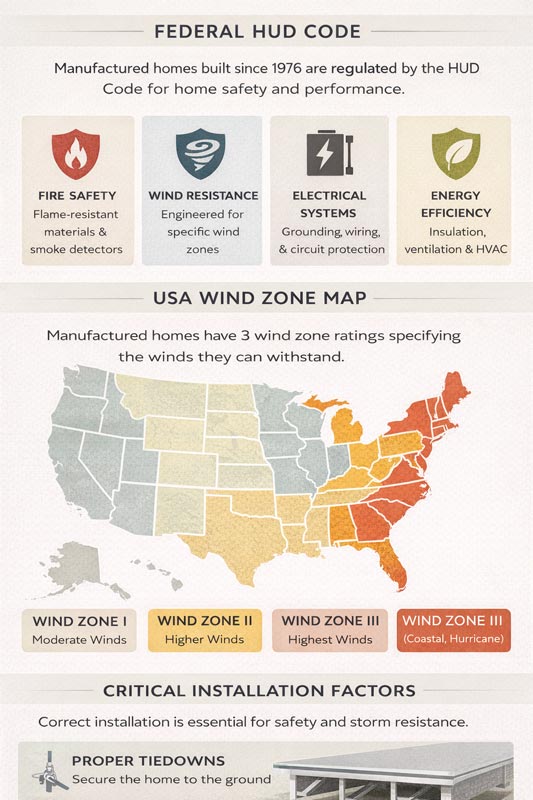
The HUD Code defines three wind zones:
- Wind Zone I – Lower wind regions (inland areas)
- Wind Zone II – Moderate wind regions
- Wind Zone III – High-wind and coastal regions, including hurricane-prone areas
Homes built for higher wind zones include:
- Stronger wall framing
- Reinforced roof systems
- Heavier fastening hardware
- Enhanced connections between walls, floors, and roof
A home built for Wind Zone III and installed correctly can withstand significantly stronger winds than older homes many people picture when they think of “mobile homes.”
Anchoring and Installation Matter More Than Almost Anything
A manufactured home’s performance in a storm depends heavily on proper installation.
Modern installations typically include:
- Ground anchors or concrete footings
- Steel tie-down straps
- Engineered foundation systems (depending on location)
When a home is correctly anchored:
- It is far less likely to shift or lift during high winds
- Structural stress is distributed more evenly
- Damage risk is dramatically reduced
Most storm-related failures involving manufactured homes are traced back to improper installation, missing anchors, or homes that were never updated to current standards.
How Manufactured Homes Handle Heavy Rain and Flooding
Water is one of the most common storm concerns, and it affects all types of homes, not just manufactured ones.
 Modern manufactured homes are designed with:
- Moisture-resistant materials
- Roof pitch and drainage systems to handle heavy rain
- Vapor barriers and sealing to reduce water intrusion
In flood-prone areas, safety depends largely on site preparation, such as:
- Elevated foundations
- Proper grading and drainage
- Compliance with local floodplain requirements
A manufactured home placed in a high-risk flood zone without elevation will face similar risks as a site-built home in the same location.
Snow, Ice, and Cold Weather Performance
Manufactured homes are also engineered to handle cold climates and snow loads.
Key features include:
- Roof load ratings designed for snow accumulation
- Insulated walls, floors, and ceilings
- Sealed ductwork and modern HVAC systems
Homes built for northern climates often exceed minimum insulation standards, making them both safe and energy-efficient during winter storms.
Manufactured Homes vs. Site-Built Homes in Storms
When built to current standards and installed properly, modern manufactured homes often perform comparably to site-built homes in severe weather.
In some cases, factory engineering offers advantages:
- More consistent structural connections
- Less variation in materials
- Testing and certification before installation
Storm damage statistics consistently show that older pre-1976 homes and improperly installed homes account for the majority of serious failures, not modern manufactured housing as a whole.
Common Myths That Still Cause Confusion
- Myth: Manufactured homes aren’t safe in storms
Reality: Modern homes built to HUD standards are engineered specifically for weather resistance. - Myth: They can’t handle hurricanes or strong winds
Reality: Wind Zone II and III homes are designed for high-wind regions when properly anchored. - Myth: Manufactured homes flood more easily
Reality: Flood risk depends on location and elevation, not the type of home.
What Homeowners Can Do to Improve Storm Safety
While modern manufactured homes are engineered to handle severe weather, homeowner preparation and maintenance play a major role in how well a home performs during storms. The good news is that many of the most effective safety improvements are straightforward and affordable.
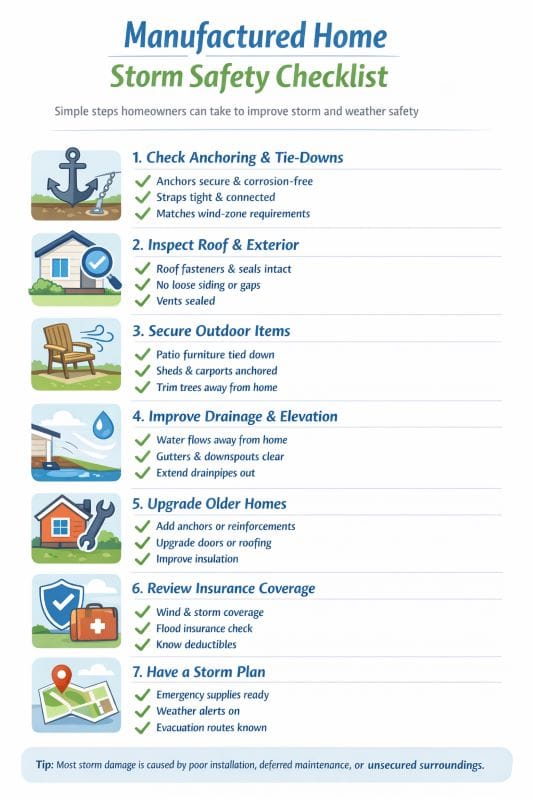
1. Confirm Proper Anchoring and Tie-Downs
Anchoring is one of the single most important storm-safety factors for manufactured homes.
Homeowners should:
- Verify that the home is properly anchored according to local and state codes
- Inspect ground anchors and steel straps periodically for corrosion, looseness, or damage
- Ensure anchors match the home’s wind-zone requirements
If you’re unsure about the anchoring system, a licensed installer or inspector can confirm whether upgrades are needed, especially for older homes.
2. Maintain the Roof and Exterior Regularly
Storm damage often starts with small issues that go unnoticed.
Key maintenance steps include:
- Inspecting the roof annually for loose fasteners, damaged shingles, or worn seals
- Sealing vents, skylights, and roof penetrations
- Checking siding and skirting for gaps that could allow wind or water intrusion
A well-maintained exterior helps prevent water damage and reduces the risk of wind-related failures.
3. Secure Outdoor Items Before Storms
Flying debris causes significant damage during storms, regardless of home type.
Before severe weather:
- Secure or store patio furniture, grills, and decorations
- Anchor sheds or carports properly
- Trim trees and remove weak branches near the home
Reducing loose objects around the home can dramatically lower storm-related damage risk.
4. Improve Drainage and Elevation Where Needed
Water management is critical, especially in heavy rain or flood-prone areas.
Homeowners can improve safety by:
- Ensuring proper grading so water flows away from the home
- Keeping gutters and downspouts clear
- Installing extensions to direct water farther from the foundation
- Elevating the home if required by local floodplain regulations
Flood safety depends heavily on site preparation, not just the structure itself.
5. Upgrade Older Homes When Possible
Homes built before modern standards may benefit from targeted upgrades.
Consider:
- Adding additional anchors or tie-downs
- Reinforcing doors and windows
- Upgrading roofing materials
- Improving insulation and sealing
Even partial upgrades can significantly improve storm performance and peace of mind.
6. Review Insurance Coverage Carefully
Storm safety isn’t just about physical protection, it’s also financial protection.
Homeowners should:
- Confirm wind and storm coverage is included in their policy
- Understand whether flood insurance is required or recommended
- Review deductibles related to hurricanes or named storms
Proper coverage ensures faster recovery if damage does occur.
Insurance 101: How to Properly Insure Your Manufactured Home
7. Have a Storm Preparedness Plan
Preparation reduces panic and improves safety for everyone in the household.
A solid plan includes:
- Knowing the safest areas inside the home
- Having emergency supply kit ready
- Staying informed through local weather alerts
- Understanding evacuation routes if necessary
Storm readiness is about being proactive, not fearful.
Why These Steps Matter
Most severe storm damage involving manufactured homes is linked to installation issues, deferred maintenance, or unsecured surroundings, not the home’s design itself. By taking these steps, homeowners can dramatically reduce risks and improve how their home performs in extreme weather.
Bottom Line
Yes, manufactured homes can be safe in storms and bad weather. Modern construction standards, wind-zone engineering, and proper installation have transformed manufactured housing into a durable, reliable option across a wide range of climates.
As with any home, safety depends on design, location, installation, and maintenance, not outdated stereotypes. When those factors are addressed, manufactured homes can offer both affordability and peace of mind, rain or shine.